
The Three Witnesses: Understanding Faith Through 1 John 5:6–8
The First Epistle of John is one of the most spiritually rich and encouraging books in the New Testament. Written by John the Apostle, this letter emphasizes love, truth, obedience, and the certainty believers can have in Jesus Christ. Among its profound passages, 1 John 5:6–8 stands out as a deep theological statement concerning the identity of Christ and the witness God has provided to humanity.
The verses read:
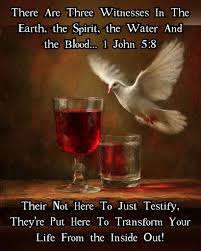
“This is he who came by water and blood—Jesus Christ; not by water only, but by water and blood. And the Spirit is the one who testifies, because the Spirit is the truth. For there are three that testify: the Spirit and the water and the blood; and these three agree.” — 1 John 5:6–8
At first glance, these words may seem mysterious or difficult to understand. What do “water,” “blood,” and “Spirit” mean? Why are they called witnesses? And what relevance do these verses have for Christians today?
To fully appreciate this passage, we must examine its historical context, spiritual meaning, and practical application for believers.
The Context of 1 John
The letter of 1 John was written during a time when false teachings were spreading among early Christians. Some teachers denied that Jesus was truly the Son of God in human flesh. Others claimed that Christ’s divine nature came upon Him temporarily but departed before His crucifixion. These ideas threatened the foundation of the Christian faith.
John wrote passionately to defend the truth that Jesus Christ is fully God and fully man. Throughout the epistle, he repeatedly emphasizes eyewitness testimony, truth, and divine assurance. His goal was not merely theological argument, but strengthening believers in their confidence and relationship with God.
Chapter 5 focuses especially on faith in Jesus as the Son of God. John explains that faith overcomes the world and that God Himself has testified concerning His Son.
Jesus Came by Water and Blood
The phrase “came by water and blood” has been discussed by theologians for centuries. The most widely accepted interpretation is that “water” refers to Jesus’ baptism, while “blood” refers to His crucifixion.
At His baptism, Jesus’ public ministry began. When He was baptized by John the Baptist, the Holy Spirit descended upon Him, and the Father declared:
“This is my beloved Son, with whom I am well pleased.”
This event was a divine testimony confirming Jesus’ identity as the Messiah.
The “blood” points directly to Christ’s death on the cross. The crucifixion was not an accident or merely a tragic ending to a good man’s life. It was the fulfillment of God’s redemptive plan for humanity. Through His blood, sins are forgiven, reconciliation with God becomes possible, and salvation is offered to all who believe.
John specifically says Jesus came “not by water only, but by water and blood.” This statement challenges false teachers who accepted Jesus’ baptism but rejected the significance of His sacrificial death. John insists that both events are essential to understanding who Jesus truly is.
Christianity is not built merely on moral teachings or spiritual experiences. It is founded upon the historical reality of Jesus Christ—His life, baptism, death, and resurrection.
The Witness of the Holy Spirit
John then introduces the third witness: the Spirit.
“The Spirit is the one who testifies, because the Spirit is the truth.”
The Holy Spirit continually confirms the truth about Jesus Christ. This testimony occurs in several ways.
First, the Spirit inspired Scripture. The Bible itself is a Spirit-guided witness to Christ from beginning to end.
Second, the Spirit works within believers’ hearts. Christians throughout history have testified to the transforming power of the Holy Spirit, who brings conviction, peace, guidance, and assurance of salvation.
Third, the Spirit empowers the Church to proclaim the Gospel. From the day of Pentecost until today, the Holy Spirit has strengthened believers to share the message of Christ across nations and generations.
John describes the Spirit as truth because God’s Spirit cannot deceive. Human opinions change, philosophies evolve, and cultures shift, but God’s truth remains eternal.
The Importance of Three Witnesses
John writes:
“For there are three that testify: the Spirit and the water and the blood; and these three agree.”
In Jewish law, truth was established by the testimony of two or three witnesses. John uses this principle to demonstrate that God has provided complete and trustworthy testimony concerning Jesus Christ.
The water testifies.
The blood testifies.
The Spirit testifies.
And all three agree perfectly.
This harmony is significant. God’s revelation is not fragmented or contradictory. Every witness points to the same conclusion: Jesus Christ is the Son of God and Savior of the world.
In an age filled with skepticism and confusion, this passage reminds believers that faith is not blind. Christian faith rests upon divine testimony, historical events, and spiritual reality.
Why This Passage Matters Today
Modern society often encourages people to separate spirituality from truth. Many claim that faith is merely personal preference or emotional comfort. Yet John presents Christianity as grounded in objective reality.
Jesus truly lived.
Jesus truly died.
Jesus truly rose again.
The testimony of the Spirit, water, and blood confirms these truths.
For Christians today, these verses offer several powerful lessons.
1. Faith Has a Firm Foundation
Believers do not follow cleverly invented myths. Christianity is rooted in real events witnessed by real people. The Gospel stands upon historical truth and divine revelation.
This gives Christians confidence when facing doubt or opposition.
2. Salvation Comes Through Christ Alone
The blood of Jesus remains central to the Christian message. Humanity cannot save itself through morality, religion, or good works. Forgiveness comes only through Christ’s sacrificial death.
The cross demonstrates both God’s justice and His love.
3. The Holy Spirit Continues to Work
God has not abandoned His people. The Holy Spirit still speaks through Scripture, transforms lives, and draws people toward truth. Even in difficult seasons, believers can trust the Spirit’s guidance and presence.
4. Truth Matters
John wrote his epistle partly to combat false teaching. Likewise, Christians today are called to remain grounded in biblical truth rather than being carried away by every new spiritual trend or cultural philosophy.
Truth is not determined by popularity but by God’s revelation.
A Message of Assurance
One of the major themes of 1 John is assurance. John wanted believers to know that their faith was secure in Christ. The testimony of the Spirit, water, and blood is not meant to create confusion but confidence.
God Himself has provided witnesses concerning His Son.
This assurance is deeply important in a world marked by uncertainty. People search endlessly for meaning, identity, and hope. The Gospel answers these longings by pointing to Jesus Christ—the One who entered history, died for sin, and conquered death.
Faith is not wishful thinking. It is trust in the One whom God has clearly revealed.
The Unity of Truth and Faith
These verses also demonstrate that faith and truth belong together. Biblical faith is not irrational or disconnected from evidence. Rather, God provides testimony through history, Scripture, and the inward witness of the Holy Spirit.
This harmony between spiritual experience and historical reality strengthens Christian belief.
Many great scientists, philosophers, and thinkers throughout history maintained deep faith in God while pursuing truth in the natural world. Christianity teaches that all truth ultimately comes from God because He is the Creator of both the physical and spiritual realms.
The Spirit, the water, and the blood all point toward one reality: Jesus Christ is Lord.
Conclusion
1 John 5:6–8 is a powerful declaration of God’s testimony concerning His Son. Through the water of baptism, the blood of the cross, and the witness of the Holy Spirit, God confirms the identity and mission of Jesus Christ.
These three witnesses agree completely, providing believers with confidence, assurance, and hope.
In a world filled with uncertainty and competing voices, this passage calls Christians back to the unchanging truth of the Gospel. Jesus Christ is not merely a historical figure or moral teacher. He is the Son of God who came to save humanity through His life, death, and resurrection.
The testimony remains as powerful today as it was in the days of the early Church.
And for all who believe, these verses offer a timeless reminder: God has spoken, the truth has been revealed, and eternal life is found in His Son.
Prayer
Heavenly Father,
We thank You for the truth revealed through Your Son, Jesus Christ. Thank You for the witness of the Spirit, the water, and the blood that confirms Your great love and salvation for humanity.
Lord, strengthen our faith when we face doubt and uncertainty. Help us to trust fully in Jesus Christ and to walk daily in Your truth. Fill our hearts with the guidance and peace of the Holy Spirit so that we may live as faithful witnesses in this world.
Teach us to remain grounded in Your Word and to recognize the power of Christ’s sacrifice on the cross. May our lives reflect Your love, grace, and truth to those around us.
We pray for wisdom, courage, and spiritual understanding as we continue our journey of faith. Draw us closer to You each day and help us to experience the assurance and hope found only in Jesus Christ.
In the mighty name of Jesus we pray,
Amen.
Discover more from My Blog-BesthomeBusiness
Subscribe to get the latest posts sent to your email.