
Is It a Sin to Use AI? A Christian’s Guide to Technology and Faith
Introduction: A Question Every Believer Is Asking
Artificial intelligence has moved from science fiction into daily life. It writes emails, diagnoses diseases, generates art, answers theological questions, and even leads prayers in some experimental settings. For many Christians, this raises an urgent question: Is it a sin to use AI?
The short answer is no—using AI is not inherently sinful. Like any tool, its morality depends on whether it is used to glorify God, serve others, and align with biblical truth. But that simple answer deserves a deeper look. Scripture does not mention artificial intelligence, yet it speaks profoundly about wisdom, stewardship, truth, and the human heart. This guide will help you think biblically about AI so you can use it with confidence and conscience.
Technology Is Not the Enemy
Throughout church history, believers have faced new technologies with suspicion. When the printing press arrived, some feared it would undermine church authority. When radio and television emerged, critics warned they would corrupt the faith. Yet Christians eventually used each invention to spread the gospel—the printing press gave us widely available Bibles, and radio carried missionaries’ voices across continents.
The Bible’s warning is never against tools themselves but against the misuse of them. Paul wrote, “For everything God created is good, and nothing is to be rejected if it is received with thanksgiving” (1 Timothy 4:4). AI is a product of human creativity, and creativity itself reflects the image of God (Genesis 1:27). The question is not whether AI exists, but what we do with it.
Three Biblical Tests for Using AI
Since Scripture does not condemn technology outright, how do we discern whether a specific use of AI honors God? Here are three practical tests.
1. The Test of Motive: Does It Glorify God?
First Corinthians 10:31 says, “So whether you eat or drink or whatever you do, do it all for the glory of God.” This principle covers AI. Are you using it to serve your neighbor, improve your work, and steward your time? Or are you using it to deceive, cut corners dishonestly, or avoid responsibilities God has given you?
Using AI to draft a sermon outline for prayerful refinement can glorify God. Using AI to plagiarize someone else’s work or to create deepfake deception cannot. The tool is neutral; the motive is not.
2. The Test of Truth: Does It Align with Biblical Reality?
God is a God of truth (Numbers 23:19), and His people are called to speak truthfully (Ephesians 4:25). AI models can “hallucinate”—confidently stating false information. They can also generate propaganda, fake quotes, and deceptive images.
A Christian using AI must be committed to verifying facts, citing sources honestly, and refusing to spread falsehood. If AI output contradicts Scripture or reality, the believer’s loyalty is to truth, not to the machine.
3. The Test of Love: Does It Serve Others?
Jesus summarized the law as love for God and love for neighbor (Matthew 22:37–39). AI can serve others powerfully: assisting with medical research, translating the Bible into minority languages, helping disabled believers access information, and freeing workers to focus on people rather than paperwork.
But AI can also harm neighbors—through bias, job displacement without care, surveillance, or the dehumanizing of relationships. Love asks not only “Can I do this?” but “Does this bless the people God has placed around me?”
Areas Where Christians Should Be Cautious
While AI is not sinful in itself, several uses raise serious biblical concerns:
Idolatry of efficiency. When productivity becomes our ultimate value, we may sideline prayer, Sabbath rest, and dependence on God. Psalm 127:2 reminds us that God gives rest to those He loves—we are not machines.
Replacing genuine relationships. Pastoral care, friendship, and discipleship require embodied love. An AI chatbot cannot weep with those who weep (Romans 12:15). Using AI as a supplement is fine; using it as a substitute for human community is not.
Deception and manipulation. Deepfakes, AI-generated false testimonies, and automated disinformation violate the ninth commandment.
Pride and self-reliance. If AI makes us feel we no longer need God’s wisdom, we have quietly exchanged faith for technology. Proverbs 3:5–6 calls us to trust the Lord, not our own understanding—or our algorithms.
A Positive Vision: AI as a Tool for the Kingdom
Rather than fear AI, Christians can lead in using it redemptively. Consider these opportunities:
- Bible translation and accessibility. AI accelerates translation work, helping fulfill the Great Commission.
- Discipleship resources. Churches can create study guides, devotionals, and language-specific materials faster than ever.
- Mercy ministry. AI aids in disaster response, medical diagnostics, and connecting volunteers to needs.
- Creative excellence. Artists and musicians can use AI as a brainstorming partner while offering their God-given craft to Him.
The key is stewardship. In the Parable of the Talents (Matthew 25:14–30), Jesus commended servants who wisely invested what they were given. AI is a talent of our generation. Faithfulness, not fear, should guide us.
Practical Guidelines for the Christian AI User
If you want to use AI with a clear conscience, consider these habits:
- Pray before you prompt. Invite God into your work, even your digital tasks.
- Verify everything. Treat AI as a research assistant, not an authority.
- Disclose when appropriate. Honesty builds trust.
- Guard your heart. Notice if AI is feeding pride, laziness, or isolation.
- Keep first things first. Scripture, prayer, and community come before any tool.
- Ask your church. Seek wisdom from pastors and mature believers.
Conclusion: Freedom with Responsibility
So, is it a sin to use AI? No—but it can become sinful when it is used for deception, idolatry, or loveless ends. The Christian life is not about avoiding every new technology; it is about redeeming it. As image-bearers of a creative God, we are called to harness good gifts—including artificial intelligence—for His glory and the good of our neighbors.
Use AI prayerfully. Use it honestly. Use it lovingly. And remember that no algorithm can replace the wisdom of God or the warmth of Christian community. With discernment and grace, AI can become not a stumbling block but a servant of the gospel.
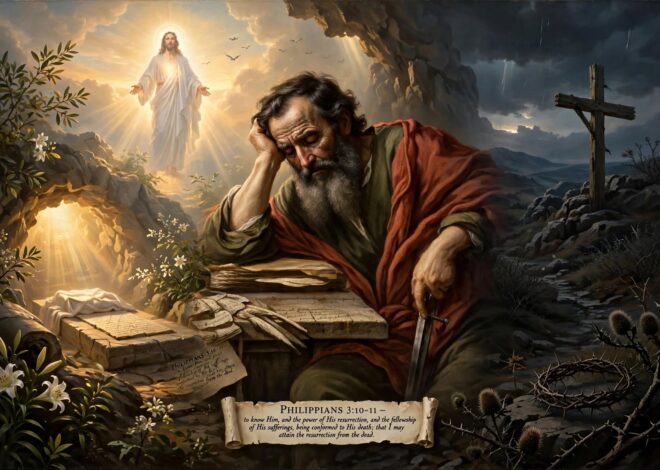
Now thanks be unto God, which always causeth us to triumph in Christ (2 Corinthians 2:14).
God gets His greatest victories out of apparent defeats. Very often the enemy seems to triumph for a little, and God lets it be so; but then He comes in and upsets all the work of the enemy, overthrows the apparent victory, and as the Bible says, "turns the way of the wicked upside down." Thus He gives a great deal larger victory than we would have known if He had not allowed the enemy, seemingly, to triumph in the first place.
The story of the three Hebrew children being cast into the fiery furnace is a familiar one. Here was an apparent victory for the enemy. It looked as if the servants of the living God were going to have a terrible defeat. We have all been in places where it seemed as though we were defeated, and the enemy rejoiced. We can imagine what a complete defeat this looked to be. They fell down into the flames, and their enemies watched them to see them burn up in that awful fire, but were greatly astonished to see them walking around in the fire enjoying themselves. Nebuchadnezzar told them to "come forth out of the midst of the fire." Not even a hair was singed, nor was the smell of fire on their garments, "because there is no other god that can deliver after this sort."
This apparent defeat resulted in a marvelous victory.
Suppose that these three men had lost their faith and courage, and had complained, saying, "Why did not God keep us out of the furnace!" They would have been burned, and God would not have been glorified. If there is a great trial in your life today, do not own it as a defeat, but continue, by faith, to claim the victory through Him who is able to make you more than conqueror, and a glorious victory will soon be apparent. Let us learn that in all the hard places God brings us into, He is making opportunities for us to exercise such faith in Him as will bring about blessed results and greatly glorify His name.
Discover more from My Blog-BesthomeBusiness
Subscribe to get the latest posts sent to your email.