
What Jesus’ Birth in Poverty Teaches Us About Life and Priorities
Jesus Christ, though He was God incarnate, chose to be born into poverty. This profound choice offers specific lessons that should radically reshape our own lives and priorities. His humble birth is a powerful testament to where God’s true values lie.
Five Key Lessons from Jesus’ Humble Birth
1. True Riches Are Not Material
Jesus, the Creator and Owner of everything, chose to enter the world with nothing. This powerfully demonstrates that true richness and worth are not found in material possessions, wealth, or earthly status.
The Biblical Foundation:
“Do not store up for yourselves treasures on earth, where moths and vermin destroy, and where thieves break in and steal. But store up for yourselves treasures in heaven… For where your treasure is, there your heart will be also.” (Matthew 6:19-21)
Application: We are called to pursue spiritual treasures that endure, rather than fleeting earthly wealth. This challenges us to prioritize our relationship with God and investments in His kingdom above financial gain. True security and satisfaction come not from bank accounts, but from knowing Christ.
2. Humility Is a Pathway to God’s Heart
The King of Kings did not demand a palace or fanfare—He willingly accepted the humility of a stable. This selfless act of emptying Himself (a concept called kenosis in theology) is foundational to His character.
The Biblical Foundation:
“Do nothing out of selfish ambition or vain conceit. Rather, in humility value others above yourselves… In your relationships with one another, have the same mindset as Christ Jesus.” (Philippians 2:3-8)
Application: Jesus’ humility teaches us the value of being humble, putting others before ourselves, and not seeking worldly recognition or power. It calls us to serve rather than be served, just as He did. This countercultural approach transforms relationships and communities.
3. Identification with the Marginalized
By being born into poverty and obscurity, Jesus immediately identified with the poor, the vulnerable, and the overlooked. He showed that God’s heart is especially for those on the margins of society.
The Biblical Foundation:
“Whoever oppresses the poor shows contempt for their Maker, but whoever is kind to the needy honors God.” (Proverbs 14:31)
Application: This compels us to have compassion and actively care for the poor, the needy, and the oppressed. Jesus’ example challenges us to open our hearts, homes, and resources to those less fortunate, viewing them as He does—with dignity and love.
4. God’s Presence Is Not Limited by Circumstance
The divine glory of God was present not in a grand temple, but in a humble manger. This shows that God’s presence and power are not dependent on external circumstances or human grandeur.
The Biblical Foundation:
“This is the one I esteem: he who is humble and contrite in spirit, and trembles at my word.” (Isaiah 66:2)
Application: We can find God’s presence and experience His power even in the simplest, most challenging, or unglamorous aspects of our lives. True worship isn’t about lavish settings, but about a pure heart. God meets us wherever we are.
5. Redefining Success and Greatness
The world measures success by wealth, power, and influence. Jesus’ birth completely subverts these standards, showing that God’s definition of greatness is found in servanthood, sacrifice, and spiritual devotion.
The Biblical Foundation:
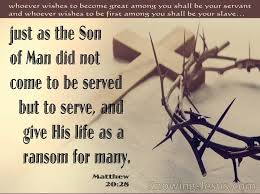
“Instead, whoever wants to become great among you must be your servant… For even the Son of Man did not come to be served, but to serve, and to give his life as a ransom for many.” (Mark 10:43-45)
Application: We must re-evaluate our own definitions of success. Are we striving for worldly achievements that ultimately mean little, or are we seeking to live a life that honors God and serves His purposes?
Practical Ways to Cultivate Humility and Generosity
Cultivating a heart of humility and generosity in today’s materialistic culture requires intentional effort and deep reliance on God. Here are practical steps:
Cultivating Humility in a World of Self-Promotion
1. Practice Daily Prayer and Dependence
Dedicate time each day to prayer. Start by acknowledging God’s sovereignty and your complete dependence on Him for everything—your breath, your gifts, your very existence. Thank Him for His grace and mercy. James 4:10 says, “Humble yourselves before the Lord, and he will lift you up.”
2. Serve Without Recognition
Look for opportunities to serve others quietly, without seeking praise or acknowledgment. This could be helping a neighbor, volunteering at church behind the scenes, or doing a kind act for a family member without expecting anything in return. Matthew 6:3-4 teaches secret giving that God alone sees.
3. Receive Feedback Gracefully
Be open to constructive criticism from trusted friends, family, or mentors. Instead of becoming defensive, consider their words with an open heart, asking God to show you areas for growth. Proverbs 12:1 states, “Whoever loves discipline loves knowledge.”
4. Meditate on Christ’s Humility
Regularly reflect on Jesus’ example of self-emptying (kenosis). Dwell on passages like Philippians 2:5-8 which describes how He, being God, “made himself nothing by taking the very nature of a servant.”
Cultivating Generosity in a Materialistic Culture
1. Practice Intentional Giving
Make a conscious decision to be a cheerful and consistent giver of your finances. This means setting aside a portion of your income, starting with a tithe (10%), to God’s work through your church or other ministries. 2 Corinthians 9:7 encourages us: “God loves a cheerful giver.”
2. Share Your Time and Talents
Beyond money, generously offer your time and unique gifts to serve others and your church community. Whether it’s mentoring, helping with ministry programs, or simply being present for someone, your non-monetary gifts are incredibly valuable. 1 Peter 4:10 says, “Each of you should use whatever gift you have received to serve others.”
3. Embrace Contentment and Resist Consumerism
Actively fight against the cultural pressure to constantly acquire more. Cultivate gratitude for what you already have. Before making a purchase, ask yourself if it’s truly needed or if you’re succumbing to societal pressures. Hebrews 13:5 instructs, “Keep your lives free from the love of money and be content with what you have.”
4. Practice Hospitality
Open your home and heart to others. This doesn’t require lavish entertaining—it can be as simple as inviting someone for coffee, sharing a meal, or offering a listening ear. Romans 12:13 exhorts us to “Share with the Lord’s people who are in need. Practice hospitality.”
5. Model Generosity for Children
For families, involve children in acts of giving and service. Talk about why you give, let them see you serving, and encourage them to share their own resources (toys, time, money) with others. Proverbs 22:6 says, “Start children off on the way they should go, and even when they are old they will not turn from it.”
The Transformative Power of Living Like Jesus
Jesus’ choice to be born into poverty is not just a historical detail—it’s a foundational lesson for how we are to live as His followers. It calls us to:
- A life of humility that recognizes our dependence on God
- Radical generosity that reflects God’s generosity toward us
- Servant leadership that values others above ourselves
- Spiritual priorities that transcend material pursuits
- Identification with the vulnerable in our communities
As 2 Corinthians 8:9 reminds us: “For you know the grace of our Lord Jesus Christ, that though he was rich, yet for your sake he became poor, so that you through his poverty might become rich.”
This is the paradox of the Gospel: in losing our lives, we find them. In giving, we receive. In humbling ourselves, we are exalted. The humble birth of Christ inaugurates a new way of living—one that finds true riches in knowing God, serving others, and storing up treasures in heaven.
Taking the Next Step
Living out these lessons requires more than intellectual assent—it demands practical action:
- This week: Identify one way to serve someone without recognition
- This month: Evaluate your budget and commitment to generous giving
- This year: Consider how you can identify with and serve the marginalized in your community
The story of Jesus’ birth reminds us that God’s power is often displayed through weakness, and His kingship is revealed through servant leadership. Let us embrace this upside-down kingdom, where the last are first, the humble are exalted, and true greatness is found in becoming servants of all.
Article Summary: Jesus’ choice to be born in poverty teaches profound lessons about humility, generosity, and true success. By examining His humble birth, we discover practical ways to cultivate these virtues in our daily lives, resist materialism, and align our priorities with God’s kingdom values. His example calls us to servant leadership and identification with the marginalized.
Discover more from My Blog-BesthomeBusiness
Subscribe to get the latest posts sent to your email.