

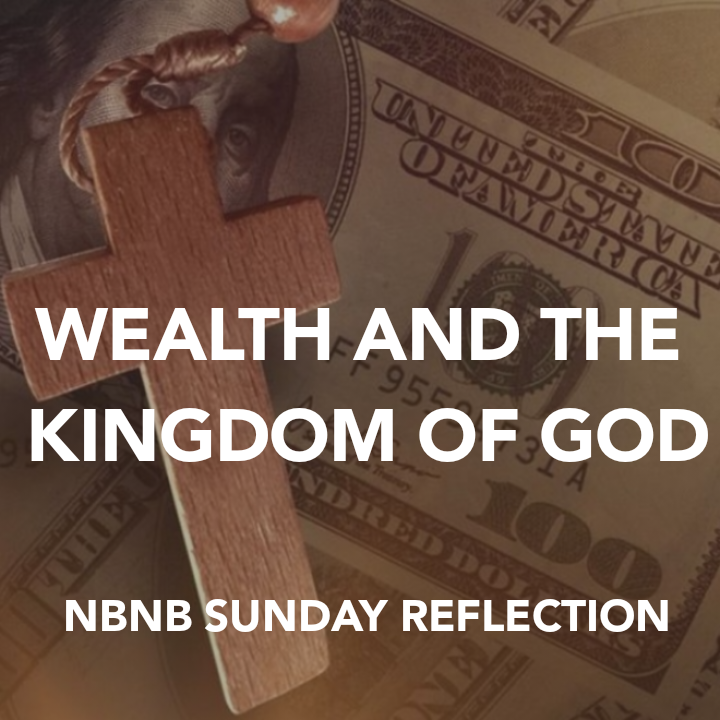
Are Christians Who Make Money Online at Risk with the Kingdom of God?
Introduction
In our increasingly digital world, many believers find themselves navigating the opportunities and challenges of making money online. Whether through e-commerce, digital services, content creation, or remote work, the internet has opened countless doors for entrepreneurship and income generation. But a thoughtful question arises: Are Christians who earn money online at risk concerning the Kingdom of God?
This is a question many believers ponder as they seek to honor God in every area of life, including their finances and work. While the Bible doesn’t directly address “online money-making” as a contemporary phenomenon, its timeless principles offer clear and comprehensive guidance on wealth, work, and the posture of our hearts.
The Biblical Foundation: Work as God’s Design
The act of earning money—whether online or through traditional means—is not inherently at risk concerning the Kingdom of God. In fact, the Bible affirms work and productivity as part of God’s good design for humanity.
Work as a Blessing
From the very beginning, God gave Adam work to do in the Garden of Eden before the fall into sin. Genesis 2:15 tells us that “The Lord God took the man and put him in the Garden of Eden to work it and take care of it.” This demonstrates that work is part of God’s original design for humanity, not a consequence of sin. It is a means to provide for our families, contribute to society, and exercise our God-given gifts and talents.
The book of Proverbs reinforces this truth: “Lazy hands make for poverty, but diligent hands bring wealth” (Proverbs 10:4). God values diligence and faithful labor.
Working for the Lord
Perhaps the most powerful principle that applies to all honest labor—including online endeavors—is found in Colossians 3:23: “Whatever you do, work at it with all your heart, as working for the Lord, not for human masters.” This transforms our perspective on work entirely. Whether you’re creating digital content, providing online services, running an e-commerce store, or working remotely, your ultimate employer is the Lord Himself.
This means that the medium of our work (online versus traditional) is morally neutral. What truly matters is our heart attitude, our methods, and our purpose.
Potential Spiritual Risks and Biblical Safeguards
While making money online is not inherently problematic, there are legitimate spiritual dangers that believers must guard against. The risk isn’t in the online nature of the work itself, but in the heart attitudes and practices associated with any pursuit of wealth.
The Love of Money
The primary danger is not money itself, but the love of money. First Timothy 6:10 provides this sobering warning: “For the love of money is a root of all kinds of evil. Some people, eager for money, have wandered from the faith and pierced themselves with many griefs.”
If earning income online leads to greed, covetousness, or an obsessive pursuit of wealth above all else, it becomes a spiritual hazard. The convenience and potential for rapid income growth in the digital economy can make this temptation particularly acute. We must regularly examine our hearts: Are we motivated by a desire to serve God and provide for our responsibilities, or are we driven by an insatiable hunger for more?
The Danger of Idolatry
Jesus taught clearly in Matthew 6:24: “No one can serve two masters. Either you will hate the one and love the other, or you will be devoted to the one and despise the other. You cannot serve both God and money.”
If making money online becomes the central focus of our lives, displacing God from His rightful place as Lord, it becomes an idol. This can manifest in various ways:
- Neglecting prayer, worship, and Bible reading for the sake of business
- Sacrificing family relationships and quality time for increased productivity
- Making business decisions based solely on profit rather than biblical principles
- Finding our identity and worth in our income or success rather than in Christ
Ethical Conduct in the Digital Marketplace
Christians are called to integrity and honesty in all their dealings, and this applies equally—if not more urgently—to online business where anonymity and distance can tempt us to compromise.
Proverbs 11:1 states: “Dishonest scales are an abomination to the Lord, but a just weight is His delight.” In the digital age, this principle translates to honest product descriptions, transparent pricing, ethical marketing practices, and fair treatment of customers and partners.
Unethical practices such as deceptive advertising, exploiting others for profit, or cutting corners on quality are contrary to God’s character—whether done online or offline.
Stewardship and Generosity
A biblical perspective on wealth emphasizes stewardship—recognizing that everything we have belongs to God and we are merely managers of His resources. Earning money online can actually be a powerful tool for blessing others and advancing God’s Kingdom through generosity.
Second Corinthians 9:7 encourages us: “Each of you should give what you have decided in your heart to give, not reluctantly or under compulsion, for God loves a cheerful giver.”
Consider how your online earnings can:
- Provide for your family’s needs
- Support and bless those in poverty
- Fund ministry and missions
- Spread the Gospel through various platforms
- Serve your local church and community
Teaching Children Biblical Money Principles in the Digital Age
For Christian parents navigating this digital landscape with their children, it’s vital to instill godly values about money and work early. Here are practical ways to teach your children a biblical perspective:
Model Godly Stewardship
Children learn best by observing. Let your children see you manage money wisely, give generously, and work diligently. Talk openly about family finances in age-appropriate ways, explaining decisions about saving, spending, and giving.
Proverbs 22:6 reminds us: “Start children off on the way they should go, and even when they are old they will not turn from it.” Our example is the most powerful teaching tool we have.
Emphasize Work as Blessing and Purpose
Help your children understand that work isn’t just about earning money, but about contributing to society, creating value, and using their God-given talents. Encourage them to take on chores, small jobs, or develop skills that could be used in online platforms (like coding, art, or writing), connecting these efforts to God’s command to work.
Discuss how work brings satisfaction and allows us to serve others, following God’s design from the Garden of Eden.
Introduce Tithing and Generosity
From a young age, teach children to set aside a portion of any money they receive—whether from allowances, gifts, or earnings—for tithes and offerings. Explain why we give: out of gratitude to God, to support His work, and to help those in need.
Look for opportunities to give together as a family, whether to your church, a charity, or someone in need. This creates lasting memories and reinforces the joy of generosity.
Teach Wise Money Management
Help children set up three jars or accounts: one for saving, one for spending, and one for giving. Discuss goals for saving and the patience required to achieve them. For digital aspects, explain online transactions, the value of digital currency, and the importance of parental oversight in online financial activities.
Address Consumerism and Greed
In a digital world filled with advertising and instant gratification, teach contentment. Discuss the difference between needs and wants. Jesus warned in Luke 12:15: “Watch out! Be on your guard against all kinds of greed; life does not consist in an abundance of possessions.”
Help your children discern media messages that promote materialism and develop a biblical worldview on possessions.
Highlight the Source of All Blessings
Continuously remind your children that all prosperity and ability to earn comes from God. Deuteronomy 8:18 teaches: “But remember the Lord your God, for it is he who gives you the ability to produce wealth, and so confirms his covenant which he swore to your ancestors, as it is today.”
This cultivates humility and gratitude rather than pride in personal achievement.
Practical Ways to Ensure Ethical Online Business Practices
For Christians engaged in online business, maintaining a Christ-like witness is crucial. Here are practical ways to honor God in your digital endeavors:
Prioritize Integrity and Honesty
Transparent Descriptions: Be utterly clear and accurate in all product and service descriptions, pricing, and terms. Avoid exaggeration or misleading language that could deceive customers.
Honest Marketing: Use ethical marketing practices. Do not employ deceptive advertisements, false testimonials, or manipulative tactics to pressure customers.
Proverbs 11:3 guides us: “The integrity of the upright guides them, but the unfaithful are destroyed by their duplicity.”
Serve with Excellence and Fair Value
Strive for the highest quality in your products or services. Deliver what you promise, and exceed expectations when possible. Price your offerings fairly, ensuring both you and your customers receive just value.
Remember Colossians 3:23-24: “Whatever you do, work at it with all your heart, as working for the Lord, not for human masters, since you know that you will receive an inheritance from the Lord as a reward. It is Christ the Lord you are serving.”
Respect Privacy and Data
Handle customer data and personal information with the utmost care and confidentiality. Be transparent about your privacy policies and adhere to all relevant data protection regulations. The principle of loving your neighbor (Mark 12:31) extends to protecting their privacy and trust in the digital realm.
Practice Humility and Responsiveness
Be open to feedback, whether positive or negative. Respond to customer inquiries and complaints promptly and graciously. Avoid pride or arrogance in your business dealings, even when you achieve success.
James 1:19 instructs us: “My dear brothers and sisters, take note of this: Everyone should be quick to listen, slow to speak and slow to become angry.”
Use Your Platform for Good
Consider how your online business can be a platform for positive influence. This might include:
- Sharing biblical values in appropriate ways
- Donating a portion of profits to ministry or charitable causes
- Highlighting ethical suppliers and fair-trade practices
- Using your blog or social media to share encouraging, faith-building messages
- Supporting causes aligned with your Christian faith
Matthew 5:16 calls us to this purpose: “In the same way, let your light shine before others, that they may see your good deeds and glorify your Father in heaven.”
Conclusion: Kingdom-Minded Digital Entrepreneurship
The question is not whether Christians should make money online, but how they should do so. The medium of earning—whether online or traditional—is morally neutral. What matters is:
- The heart behind the work: Are we motivated by service to God and others, or by greed and self-interest?
- The methods used to earn: Do our business practices reflect integrity, honesty, and love for our neighbors?
- The purpose for which money is used: Are we faithful stewards who use our resources to advance God’s Kingdom and bless others?
If a Christian engages in online money-making with integrity, gratitude, a spirit of stewardship, and a genuine desire to honor God, it can be a blessed and fruitful endeavor. Such work can provide for families, create jobs, serve communities, and fund kingdom purposes in powerful ways.
However, if online business fosters greed, becomes an idol, or leads to unethical practices, it poses a significant spiritual risk—just as any pursuit of wealth would in any era or context.
The key is to keep Christ at the center, maintain accountability, regularly examine our hearts, and ensure that all we do—including our work and financial pursuits—brings glory to God.
As you navigate the opportunities of the digital economy, may you do so with wisdom, integrity, and a Kingdom-minded perspective that honors the Lord in every transaction, every interaction, and every decision.
Remember: “So whether you eat or drink or whatever you do, do it all for the glory of God” (1 Corinthians 10:31).
Stay Connected & Grow in Faith
Thank you for taking time to read this message. God’s Word continues to speak beyond the written page—through worship, teaching, and faithful voices that proclaim His truth.
We invite you to stay connected with our ministry through our Christian Radio: Radio Christian Truth and Christian TV: Faros TV,where you’ll find Christ-centered worship, biblical teaching, and encouraging programs designed to strengthen your faith and deepen your walk with Jesus.
🎧 Listen to Christian Radio
📺 Watch Christian TV
May the Lord bless you as you seek Him daily, and may His Word guide, encourage, and transform your life.
Now thanks be unto God, which always causeth us to triumph in Christ (2 Corinthians 2:14).
God gets His greatest victories out of apparent defeats. Very often the enemy seems to triumph for a little, and God lets it be so; but then He comes in and upsets all the work of the enemy, overthrows the apparent victory, and as the Bible says, "turns the way of the wicked upside down." Thus He gives a great deal larger victory than we would have known if He had not allowed the enemy, seemingly, to triumph in the first place.
The story of the three Hebrew children being cast into the fiery furnace is a familiar one. Here was an apparent victory for the enemy. It looked as if the servants of the living God were going to have a terrible defeat. We have all been in places where it seemed as though we were defeated, and the enemy rejoiced. We can imagine what a complete defeat this looked to be. They fell down into the flames, and their enemies watched them to see them burn up in that awful fire, but were greatly astonished to see them walking around in the fire enjoying themselves. Nebuchadnezzar told them to "come forth out of the midst of the fire." Not even a hair was singed, nor was the smell of fire on their garments, "because there is no other god that can deliver after this sort."
This apparent defeat resulted in a marvelous victory.
Suppose that these three men had lost their faith and courage, and had complained, saying, "Why did not God keep us out of the furnace!" They would have been burned, and God would not have been glorified. If there is a great trial in your life today, do not own it as a defeat, but continue, by faith, to claim the victory through Him who is able to make you more than conqueror, and a glorious victory will soon be apparent. Let us learn that in all the hard places God brings us into, He is making opportunities for us to exercise such faith in Him as will bring about blessed results and greatly glorify His name.
Discover more from My Blog-BesthomeBusiness
Subscribe to get the latest posts sent to your email.